A sauna’s running cost is kilowatt-hours times your electricity rate. The kilowatts are on the heater’s label. The hours are the part that takes some thought, because a heater runs flat out only until the room is hot.
The two phases of a session
Warm-up. From a cold start the elements run continuously until the thermostat is satisfied. A 6 kW heater on for 45 minutes uses 6 × 0.75 = 4.5 kWh.
At temperature. Once the room is hot the thermostat switches the elements on and off to hold it. The share of time they are on depends on how well the room holds heat, how often the door opens and how much water goes on the stones. Half is a reasonable starting estimate. A 30-minute session at half duty adds 6 × 0.5 × 0.5 = 1.5 kWh.
That session uses about 6 kWh. Multiply by your rate per kWh: at 10¢ it is 60¢, at 20¢ it is $1.20. Three sessions a week comes to about 940 kWh a year.
An infrared cabinet
Infrared cabinets draw far less power. Clearlight’s Premier IS-2 is rated 1,720 W and Sunlighten’s mPulse Believe 2,400 W. Golden Designs, which makes the Dynamic and Maxxus cabinets, publishes no wattage, and its manual gives 45 to 60 minutes to reach about 135 °F.
Take a 1.7 kW cabinet with a 45-minute warm-up and a 30-minute session, and assume the panels stay on throughout. That is 1.7 × 1.25 ≈ 2.1 kWh, about a third of the 6 kW heater’s session. The real figure is lower if the cabinet’s controller cycles the panels.
What moves the number
- Kilowatts. An oversized heater reaches temperature sooner and cycles more once there. The total energy changes less than the kilowatt figure suggests, though the circuit has to carry the full load.
- Warm-up time. Most of a session’s energy goes into heating the room, the stones and the wood. Two sessions back to back cost much less than two on separate days.
- The room. Glass, tile and uninsulated walls absorb heat; Harvia sizes heaters as though each square metre of glass adds 1.2 cubic metres of room. An outdoor barrel loses more heat through its staves on a cold night.
- Starting temperature. A room that starts at 85 °F in a Florida summer has less to climb than one at 50 °F.
Measuring your own
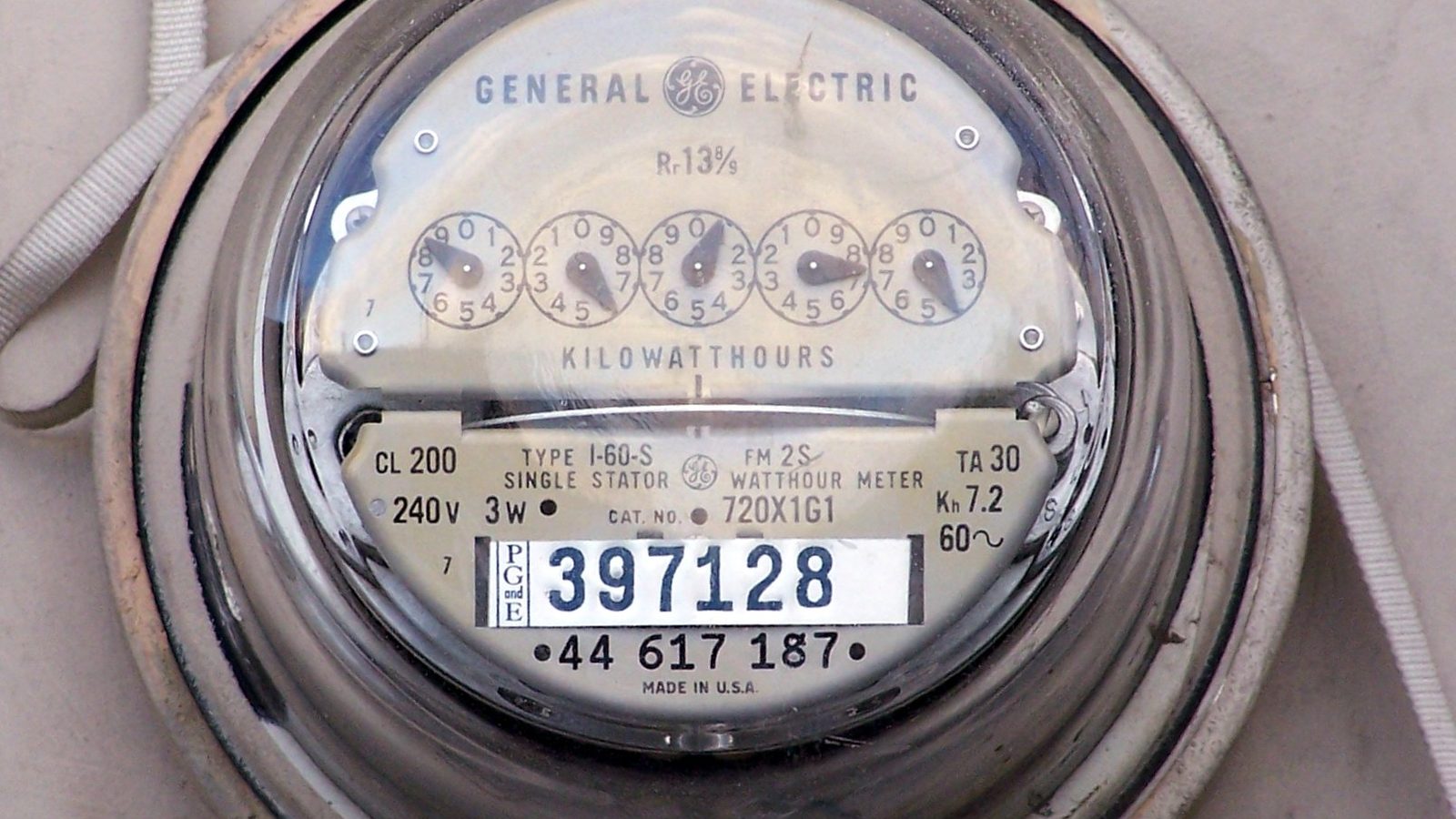
The calculator’s 50 percent is an estimate. To get your real figure, read your electricity meter before warming the sauna and again after the session, with nothing large running in the house. Many utilities also show hourly or 15-minute use on their website or app, where a sauna session stands out clearly. A clamp meter on the heater circuit in the panel shows when the elements are on, which is a job for the electrician.
The sizing calculator runs the same arithmetic with your own heater, times and rate.